








Risk management at BluEnt covers three integrated tracks: Vendor Risk (third-party risk management, vendor due diligence, continuous monitoring), Project Risk (risk gates in the system development lifecycle), and Application Risk (security testing of applications in build and in production).
All three tracks operate from one risk register and feed audit evidence packs aligned to SOC 2, HIPAA, ISO 27001, and PCI DSS. Programs are mapped to NIST SP 800-30 Rev. 1 and the NIST 800-53 RA, SA, SI control families.
BluEnt is a risk management engineering partner for regulated enterprises. We design and operate programs across three tracks: Vendor, Project, and Application Risk.
Engagements scope to your vendor base, project velocity, and application portfolio. Many enterprises engage us for one track first (TPRM is the most common entry point) and expand as the program matures.
Every engagement delivers four artifacts: a tiered vendor inventory with continuous monitoring and named owners; project risk gates engineered into your SDLC with explicit waiver workflow; an application risk program with severity-based remediation SLAs; and a unified risk register that feeds executive scorecards and audit evidence packs.
BluEnt designs and operates the program. Penetration testing is performed by partnered CREST-accredited firms (BluEnt scopes, manages, and drives remediation). Threat detection, threat hunting, and incident response remain with your SOC and IR partner; we do not deliver those services.
Trusted By
Organizations That Trust BluEnt With Their Data

- Gift Card Management, Reporting, Data Integration, Analytics Solutions, Book Keeping NetSuite Reporting, NetSuite Records Maintenance, Income Statement, Audit Support

- Gift Card Management, Reporting, Data Integration, Analytics Solutions

- Invoicing, AP Reports, Sales Data Analytics

- MuleSoft Integration, Analytics & Dashboards - [Tableau, MS SQL Server, SSIS]

- ERP Onboarding and Implementation, Data Migration, Custom Report Building, Audit Support and Finalization, Draft Financials Statements, Bidding Website Development

- Data Analytics and Dashboards

- V-Bucks Gift Card Sales Analytics, Reconciliation, Financial Tracking and Reporting
- Web Asset Creation

- HubSpot Campaign Management, Workflow Automation, UX/UI Development, Mobile App Development, Application Development

- Data Analytics and Dashboards, Website Development, Website Maintenance, Application Development, HubSpot Automation and Integration, Asana Management
- SEO, Website UX/UI Development, Data Management, Third-Party Integration, Website Maintenance

- Shopify Website Development, Klaviyo Email Marketing, Email Campaign Setup, Third-Party Shopify App Integration

- Website and SEO Audit, Shopify Website Maintenance, SEO and Analytics

- Website Design and Development, Website Maintenance

- Website Design and Development, Website Maintenance

- Website Design and Development, Website Maintenance, SEO and Analytics
Is This Your Situation?
BluEnt is the right risk management partner if any of the following describe your current state.
-
A critical vendor was breached and you are scrambling to identify which of your data and which of your customers were exposed.
-
Vendor risk reviews happen annually by spreadsheet, with no continuous monitoring of ratings, breach feeds, or financial health.
-
New systems ship into production with security findings that were known but never resolved, because there was no SDLC gate to block release.
-
Application security findings sit in queues for weeks with no SLA for remediation by severity.
-
An auditor or insurer asked for evidence of TPRM operating effectiveness and you cannot produce a current vendor inventory with risk ratings.
If two or more of these apply, this page is the right starting point. For the platform controls that risk depends on, see Cloud Security Services. For the audit-evidence side, see Cybersecurity Compliance Services.
What Makes BluEnt Different
Risk partners come in three shapes: GRC tool resellers (who deploy platforms without operating model), pure-play consultancies (who write strategy without engineering), and pen-test boutiques (who test but do not remediate). BluEnt occupies the engineering and operating-model space between them.
| Without an Engineering-Led IAM Partner | With BluEnt |
|---|---|
|
Annual vendor questionnaire, no continuous monitoring. |
Continuous vendor monitoring (BitSight, SecurityScorecard) integrated with annual reattestation. |
|
Project risk reviewed at go-live and waived. |
Risk gates engineered into the SDLC: threat model at concept, code scanning in PR, dynamic testing pre-release. |
|
Application findings queued without SLA. |
SLAs by severity tracked in the GRC platform with executive scorecards. |
|
Vendor inventory in spreadsheet, no tier model. |
Tiered vendor inventory with depth-of-review proportional to risk tier. |
|
Risk register exists, not connected to anything. |
Risk register integrated to vulnerability management, change management, and audit evidence. |
For the platform controls that reduce risk in the first place, see Cloud Security Services and Identity and Access Management.
The Three Risk Tracks We Operate
BluEnt’s risk practice is organized around three tracks. The catalog below names each track, the NIST control families it maps to, the scope of work BluEnt delivers within it, and the tooling commonly used.
Sub-topics like Software Composition Analysis, SBOM generation, penetration testing, and supply chain methodology live inside the relevant track rather than as standalone services.
| Control Family | Control IDs | What BluEnt Engineers | Tooling Examples |
|---|---|---|---|
| Vendor Risk (TPRM) | RA-3, SA-9, SR-3, SR-6 (NIST 800-161 supply chain methodology) | Tiered vendor inventory with depth-of-review proportional to risk (SIG Lite for low-tier, full SIG + SOC 2 for high-tier). Continuous monitoring through external attack-surface and breach-feed integration. Contract clauses for security, breach notification, audit rights. Annual reattestation tied to risk-score change. Supply chain methodology aligned to NIST SP 800-161 Rev. 1 where applicable. | OneTrust TPRM, ProcessUnity, ServiceNow VRM, BitSight, SecurityScorecard, RiskRecon, Recorded Future. |
| Project Risk (SDLC Gates) | RA-3, SA-3, SA-11, SA-15, PL-8, CM-3 | Risk gates engineered into the SDLC: threat modeling at concept (STRIDE, LINDDUN); data-classification check; architecture review; security testing gates in pull-request and pre-release; waiver workflow with explicit owners and expiry; runbook handover at release. Findings flow into the unified risk register. | Microsoft Threat Modeling Tool, OWASP Threat Dragon, IriusRisk, GitHub Advanced Security, GitLab Ultimate. |
| Application Risk | SA-11, RA-5, CA-8 (covers SAST, DAST, SCA/SBOM, penetration testing) | Static analysis (SAST) in pull request with severity-based SLA. Dynamic analysis (DAST) authenticated and unauthenticated against staging, with OWASP Top 10 and API Top 10 coverage. Software Composition Analysis (SCA) for open-source dependencies, license compliance, and SBOM generation per NIST SP 800-218. Annual or release-driven penetration testing performed by partnered CREST-accredited firms; BluEnt scopes, manages, and drives remediation. | Snyk, Checkmarx, SonarQube, Veracode, GitHub Advanced Security, OWASP ZAP, Burp Suite Enterprise. Penetration testing via partnered CREST-accredited firms. |
For the platform controls that reduce risk before it reaches review, see Cloud Security Services and Identity and Access Management. For audit-defensible risk evidence, see Cybersecurity Compliance Services.
How to Choose a Cybersecurity Partner
Procurement teams ask the same questions when evaluating risk management partners.

Three tracks integrated, not three separate vendors
Vendor, project, and application risk share evidence, control mappings, and reporting. The right partner runs one operating model across all three rather than handing integration back to your team.

Continuous TPRM, not annual questionnaires
Annual vendor questionnaires are theater. The right partner integrates continuous monitoring (BitSight, SecurityScorecard) with annual reattestation, so a vendor’s score deterioration triggers reassessment automatically.

SDLC gates engineered, not document-based reviews
Project risk reviewed by document at go-live is too late. The right partner engineers gates into the pipeline with explicit waiver workflow and expiry for exceptions.

Application risk run as a program with SLAs
Scanning tools without remediation SLAs produce noise. The right partner runs application risk as a program with SLAs by severity, executive scorecards, and regular team reviews.

Penetration testing partnered with accredited firms
Penetration testing requires named credentials (CREST, OSCP) for many regulated audits. BluEnt scopes, manages, and drives remediation; partnered accredited firms execute the test. This separation is best practice.
Where does your risk program stand today?
Take the BluEnt Cybersecurity Maturity Assessment for a free, audit-defensible benchmark across vendor, project, and application risk readiness.
How We Deliver: A Five-Stage Methodology
Every BluEnt risk engagement follows the same five-stage methodology, scaled to vendor base, project velocity, and application portfolio.
Stage 1: Risk Posture Assessment
We inventory vendors, in-flight projects, and production applications. Each track is scored against current-state maturity. Output is a prioritized roadmap.
Stage 2: Operating Model Design
We design the operating model for each track: TPRM tier model and review depth, project SDLC gates and waiver workflow, application risk SLAs and remediation routing. Policies are authored and mapped to NIST 800-53 RA, SA, SI.
Stage 3: Tooling Engineering
We engineer the tooling: GRC platform configuration, continuous vendor monitoring integration, SAST / DAST / SCA pipeline integration, penetration testing partner agreement and scoping framework.
Stage 4: Operations
BluEnt owns continuous TPRM, SDLC gate operation, application risk triage, and penetration test scoping. Findings flow to remediation backlogs with named owners. Monthly executive scorecards.
Stage 5: Quarterly Risk Effectiveness Review
Each quarter we run a risk effectiveness review across all three tracks. Findings drive program adjustments and feed audit evidence packs.
For the platform controls that reduce risk before it reaches review, see Cloud Security Services and Identity and Access Management.
Capabilities at a Glance
Three capability areas frame the risk practice — one per track.

Vendor Risk Management (TPRM)
Tiered vendor inventory, due diligence playbooks per tier, contract security clauses, continuous monitoring (BitSight, SecurityScorecard), annual reattestation. NIST SP 800-161 supply chain methodology where applicable. BAA workflow for healthcare vendor base where required.

Project Risk (SDLC Gates)
Threat modeling (STRIDE, LINDDUN), data classification, architecture review, security testing gates in PR and pre-release, waiver workflow with explicit owners and expiry, runbook handover at release. Project risk integrated with engineering ticketing.

Application Risk
SAST in pull-request with severity-based SLA. DAST against staging with OWASP Top 10 and API Top 10 coverage. SCA and SBOM generation per NIST SP 800-218. Penetration testing scoped and managed by BluEnt, executed by CREST-accredited partner firms. Risk reporting and executive scorecards.
For audit-defensible risk evidence, see Cybersecurity Compliance Services. For continuity that depends on vendor and project risk awareness, see Business Continuity and Disaster Recovery.
Industries We Serve
BluEnt delivers risk programs across four regulated verticals. Each vertical’s vendor base, project pipeline, and application portfolio shapes the program differently.

Architecture, Engineering, and Construction
AEC vendor risk concentrates in subcontractor and supplier relationships, BIM platform integrations, and federal-contract obligations (FAR 52.204-21, DFARS 252.204-7012). BluEnt designs project-bound vendor reviews, supplier-portal hardening, and SDLC gates for BIM platform integrations.

Healthcare and Life Sciences
Healthcare vendor risk concentrates in Business Associates handling ePHI; HIPAA 164.308(b)(1) requires written BAA and ongoing oversight. Medical-device vendors fall under FDA premarket cybersecurity guidance. BluEnt designs BAA workflow and Business Associate due diligence.

E-Commerce and Retail
Retail vendor risk concentrates in payment processors, marketplace integrations, and customer data platforms. PCI DSS v4.0 Requirement 12.8 mandates vendor management for any vendor with CDE access. BluEnt runs CDE vendor governance and continuous DAST against storefront fleets.

Manufacturing and Industrial
Manufacturing risk extends into the OT supply chain (industrial control systems, PLC manufacturers, MES integrators). NIST SP 800-161 Rev. 1 directly applies; NIS2 elevates supply-chain risk for EU essential entities. BluEnt designs OT supply-chain vendor risk and SDLC gates for industrial-system integrations.
Vertical-specific compliance programs are detailed on Cybersecurity Compliance Services.
Cybersecurity Services Across Six Markets
BluEnt delivers risk programs across six markets, each with regulatory expectations on vendor due diligence and software supply chain.

United States NIST SP 800-30, NIST SP 800-161, NIST SP 800-218 SSDF, FAR 52.204-21 and DFARS 252.204-7012 for federal contracts, NY DFS 23 NYCRR 500.11 third-party security policy.
United Kingdom UK GDPR Article 28 processor obligations, NCSC Supply Chain Security guidance, Cyber Essentials for vendors.
Australia APRA CPS 234 third-party requirements, APRA CPS 230 material service providers, ASD Essential Eight.
Canada PIPEDA security safeguards including third-party oversight, Quebec Law 25 third-party transfer controls, OSFI B-13 third-party risk section.
Netherlands and EU GDPR Article 28 processor contracts, NIS2 supply chain article, DORA ICT third-party risk, EU Cyber Resilience Act for connected products.
Broader Europe NIS2 national supply-chain transpositions, German LkSG and EU CSDDD due diligence, BSI C5 cloud vendor framework.
For region-specific compliance frameworks, see Cybersecurity Compliance Services.
Run Vendor, Project, and Application Risk as One Program
Risk has stopped being an annual exercise. The enterprises that handle it well integrate three tracks (vendor, project, application) into one operating model with shared evidence, shared tooling, and shared executive scorecards. The result is faster vendor onboarding, fewer release-blocking surprises, and audit-defensible risk evidence that survives auditor turnover.
BluEnt designs and operates the program. Penetration testing is performed by partnered CREST-accredited firms; we scope, manage, and drive remediation. We do not deliver threat detection, threat hunting, or incident response; those remain with your SOC and IR partner.
Whether you are building TPRM from scratch, integrating risk gates into your SDLC, or running an application risk program at scale, our team works alongside yours from day one.
Explore the IT Security and Cybersecurity Practice
Frequently Asked Questions
What is TPRM and how does it differ from a vendor questionnaire?
Third-Party Risk Management is the continuous discipline of identifying, assessing, treating, and monitoring risk introduced by vendors. A vendor questionnaire is one input. A TPRM program also includes tiered due diligence, contract security clauses, continuous external monitoring (BitSight, SecurityScorecard), breach-feed monitoring, financial health checks, and annual reattestation tied to score changes.
How do you tier vendors?
Tiering by data sensitivity, service criticality, and integration depth. Tier 1 vendors (handle PII or ePHI, business-critical, deep integration) get full SIG questionnaire, SOC 2 review, on-site or virtual audit, contract security clauses, continuous monitoring. Tier 4 vendors get SIG Lite and self-attestation. Depth of review is proportional to risk.
How do project risk gates work?
Risk gates are engineered into the SDLC at four points: threat modeling at concept; data-classification and architecture review at design; security testing (SAST, DAST, SCA) in pull-request and pre-release; runbook handover at release. Exceptions are captured with explicit owners and expiry, not waived informally.
How does BluEnt handle penetration testing?
BluEnt scopes, manages, and drives remediation. The actual testing is performed by partnered CREST-accredited firms. This separation is best practice: the partner that designed the program should not test it, and the testing firm should not be responsible for fixing what it finds.
How does NIST SP 800-161 apply to my organization?
NIST SP 800-161 Rev. 1 (Cybersecurity Supply Chain Risk Management) applies directly to any organization holding federal contracts in the US. It applies indirectly (as best-practice reference) to most enterprises with material vendor exposure. The framework defines C-SCRM practices and is more rigorous than questionnaire-only programs. BluEnt operationalizes it inside the Vendor Risk track where applicable.
How do risk findings feed audit evidence?
Findings from all three tracks flow into a single risk register in your GRC platform (ServiceNow GRC, Archer, OneTrust, Drata). The same evidence supports SOC 2, HIPAA, ISO 27001, and PCI DSS audits. Executive scorecards report SLA performance monthly. Quarterly risk-committee packs cover trend analysis across all three tracks.
View Our Projects
Dive into our portfolio and witness how BluEnt transforms bold ideas into powerful digital solutions.
From enterprise-grade applications to data-driven platforms, each project tells a story of innovation,
ROI, and long-lasting impact.

CRM, ERP & Business Apps | Case Study
Asana-HubSpot Integration
Discover how BluEnt help HFS in achieving task automation with real-time data synchronization and efficient ecosystem.

CMS & E-Commerce Platforms | Case Study
HFS Website Overhaul
Learn how BluEnt modernized the website to support heavy research content & deliver consistent UI/UX with better performance.
CMS & E-Commerce Platforms | Case Study
Author Dashboard Transformation
Explore how BluEnt developed a unified & comprehensive dashboard for better performance tracking and report collaboration.

CMS & E-Commerce Platforms | Case Study
Custom Elementor Widget
Learn how the custom elementor widget, developed by BluEnt, let HFS Research get off from its dependency over expensive…
CMS & E-Commerce Platforms | Case Study
Custom WordPress Videocast Plugin
Discover how BluEnt created a custom WordPress videocast plugin to improve loading time & performance of HFS Research podcast…

CMS & E-Commerce Platforms | Case Study
Report Analytic Dashboard
Discover how BluEnt designed & developed a comprehensive report analytic dashboard for HFS to generate accurate data.
Industry Trends & Innovation
Ideas That Drive Industries
Explore a 360° content hub featuring expert-written blogs, practical use cases, and FAQs,
all designed to spark innovation, solve challenges, and sharpen your competitive edge.
Whether you're shaping strategy or validating decisions, our insight-driven content
equips you with clarity, confidence, and the direction you need to stay ahead.
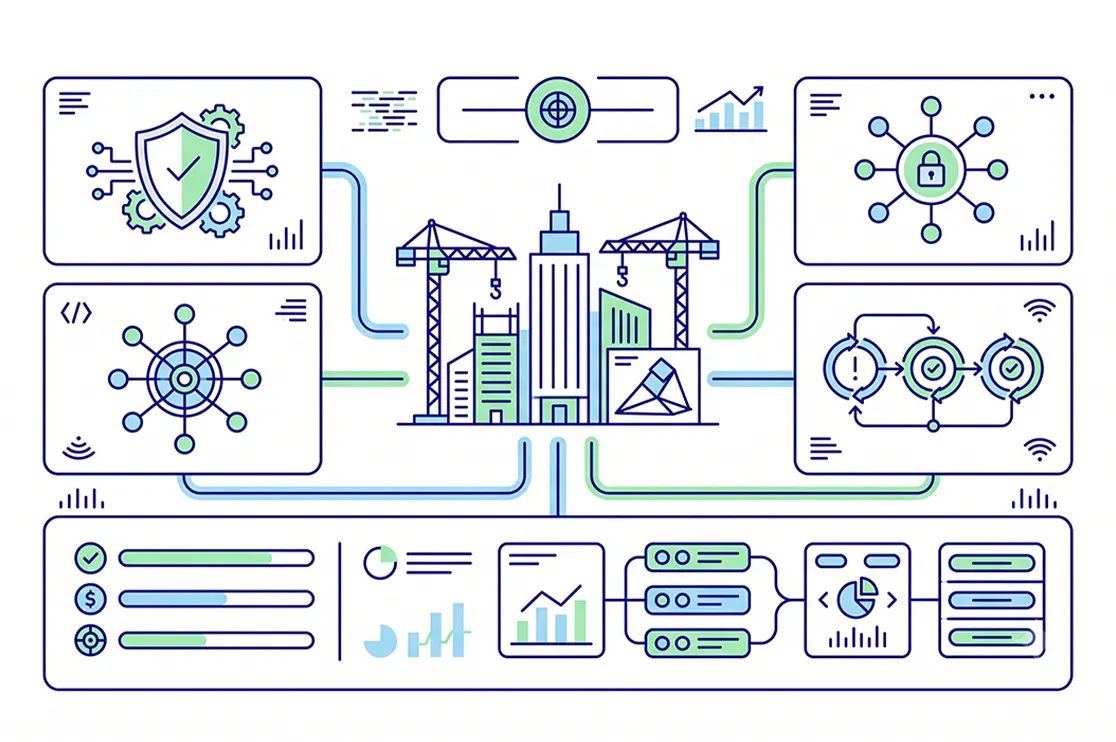 Governing AI Tools in AEC: Copilot, Digital Twins, and Generative Design
 Data Governance for AI and Advanced Analytics: Building the Foundation That Works
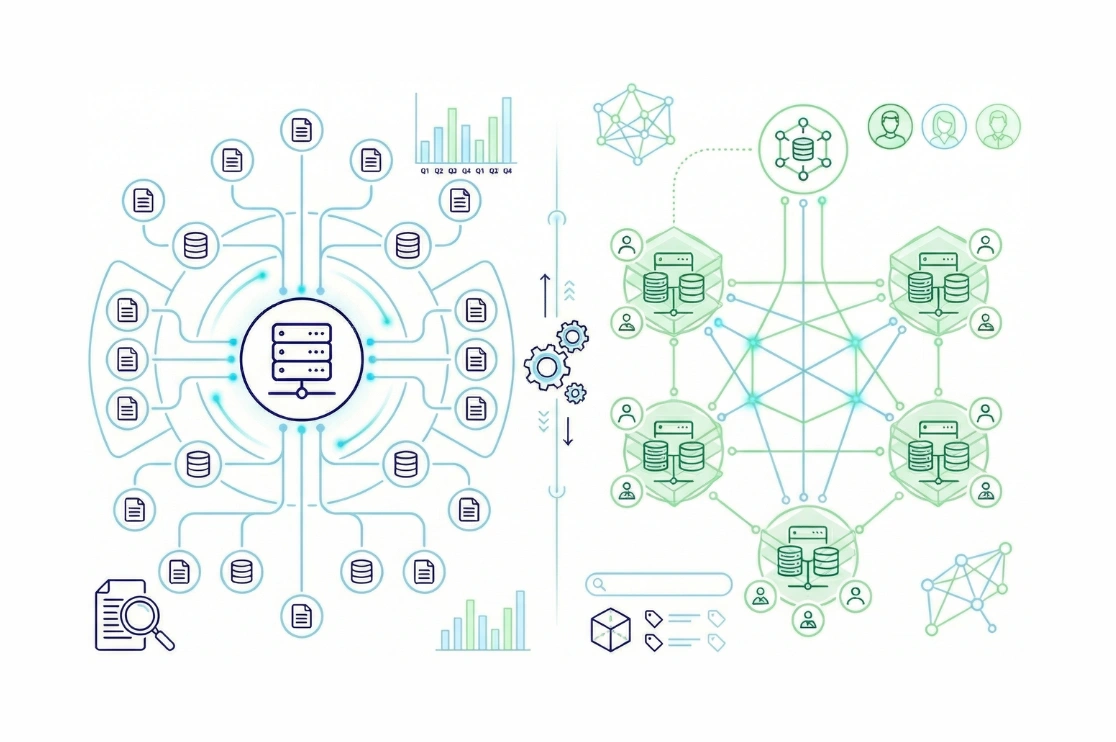 Centralized vs. Federated vs. Hybrid Data Governance: Which Model Fits Your Organization
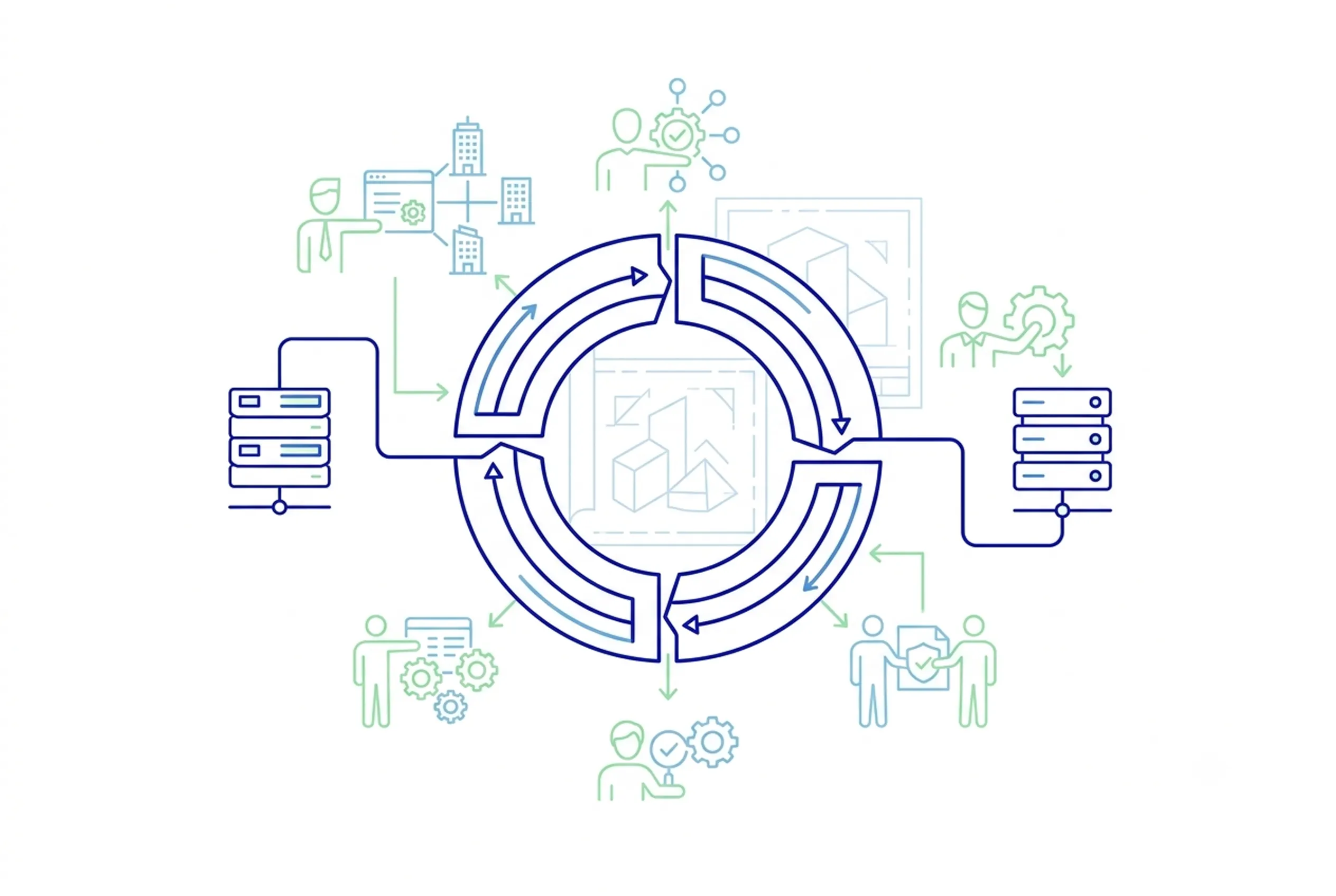 Data Governance Roles and Responsibilities in AEC Organizations