








participation, and data literacy across business workflows and processes.
Hidden Challenges of Data Transformation
Many enterprises invest heavily in modern data platforms, governance, frameworks, and advanced analytics capabilities.
Yet despite these investments, many organizations struggle to achieve expected value from their data initiatives.
What’s the real challenge? Data Adoption
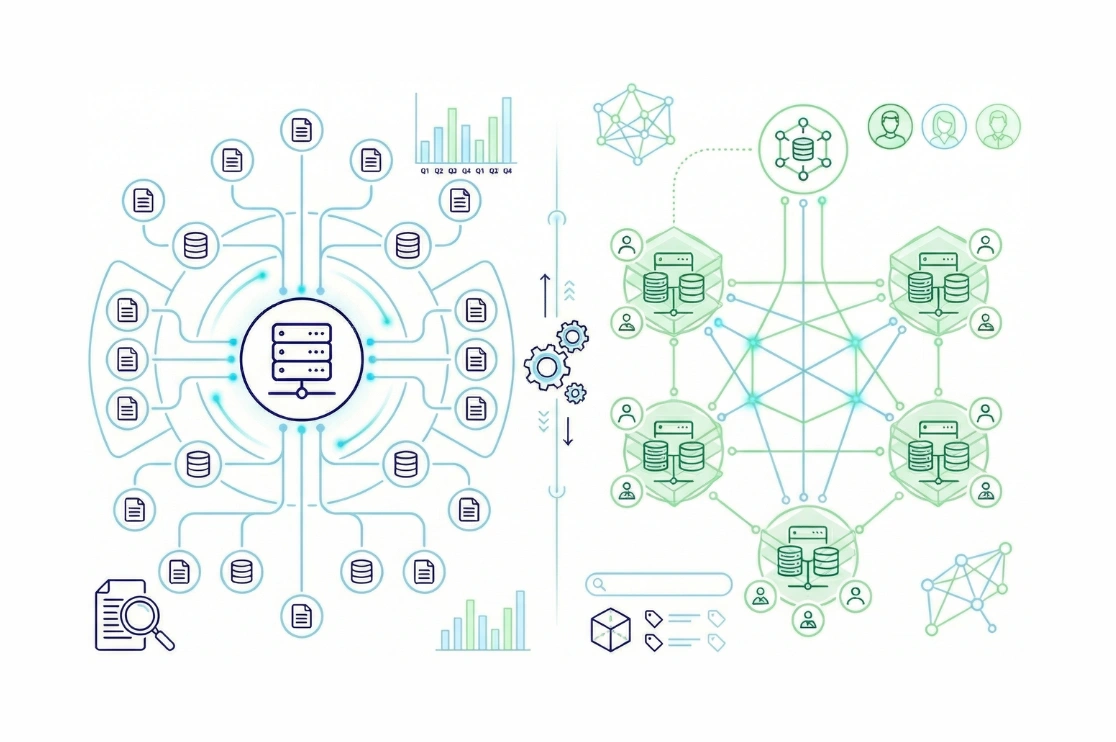
Organizations discover that employees continue focusing on traditional decision-making process, spreadsheets, and fragmented information sources.
Limited awareness, lack of trust, insufficient training, and unclear ownership causes hindrance in data transformation.
At BluEnt, we help enterprises develop sustainable data-driven cultures where employees across departments actively engage with trusted data to support strategic and operational decisions.
Trusted By
Organizations That Trust BluEnt With Their Data

- Gift Card Management, Reporting, Data Integration, Analytics Solutions, Book Keeping NetSuite Reporting, NetSuite Records Maintenance, Income Statement, Audit Support

- Gift Card Management, Reporting, Data Integration, Analytics Solutions

- Invoicing, AP Reports, Sales Data Analytics

- MuleSoft Integration, Analytics & Dashboards - [Tableau, MS SQL Server, SSIS]

- ERP Onboarding and Implementation, Data Migration, Custom Report Building, Audit Support and Finalization, Draft Financials Statements, Bidding Website Development

- Data Analytics and Dashboards

- V-Bucks Gift Card Sales Analytics, Reconciliation, Financial Tracking and Reporting
- Web Asset Creation

- HubSpot Campaign Management, Workflow Automation, UX/UI Development, Mobile App Development, Application Development

- Data Analytics and Dashboards, Website Development, Website Maintenance, Application Development, HubSpot Automation and Integration, Asana Management
- SEO, Website UX/UI Development, Data Management, Third-Party Integration, Website Maintenance

- Shopify Website Development, Klaviyo Email Marketing, Email Campaign Setup, Third-Party Shopify App Integration
- Website and SEO Audit, Shopify Website Maintenance, SEO and Analytics
- Website Design and Development, Website Maintenance
- Website Design and Development, Website Maintenance

- Website Design and Development, Website Maintenance, SEO and Analytics
Data Culture = Success of Data Initiatives
A data-driven organization is not identified by its data storing potential or stack of technology it uses.
How consistently the data is used in decision-making is what defines a data-driven organization.
Organizations with strong data culture have:
| Leaders prioritizing evidence-based decision-making | Employees trusting enterprise data sheets |
| Governance participation enforced in daily process | Teams collaborating via shared data definitions |
Organizations without a strong data culture experience:
| Low usage of enterprise data platforms | Inconsistent interpretation of business metrics |
| Constant resilience on siloed data sources | Restricted participation in governance processes |
BluEnt understands the importance of a strong data culture for your business. Our experts ensure that your data investments translate into measurable business outcomes.
What is Data Adoption and Data Culture Enablement?
Data adoption refers to the extent to which employees actively use data in their daily workflows and decision-making processes.
Data culture enablement focuses on developing an organizational environment that promotes data-driven behavior.
Data adoption & data culture enablement ensure that your enterprise is delivered with real business value via data governance, analytics platform, and AI initiatives.
BluEnt works with enterprises to design and implement adoption strategies that transform data from a passive asset into operational capabilities instilled within business processes.
BluEnt’s Data Adoption & Culture Enablement Framework
BluEnt provides a comprehensive framework designed to accelerate enterprise data adoption and build sustainable data cultures.
Our robust framework comprise of 4 key pillars.

Data Literacy and Skills Development
Most common barrier to data adoption is the limited data literacy among the workforce of any given organization.
BluEnt helps organizations design a structured data literacy program that empowers employees to confidently use data in their roles.
These programs include:
-
Analytics Interpretation workshops
-
Data governance awareness programs
-
Hands-on training with enterprise analytics platforms
-
Data fundamentals training to business users
By boosting data literacy across your business workforce, your organization creates a foundation for sustainable data adoption.

Data Governance Participation Enablement
Data governance programs often struggle because employees view governance as a compliance-based exercise.
BluEnt supports organizations design governance engagement strategies that encourage active participation from data owners, stewards, and other business stakeholders.
This includes:
-
Governance participation frameworks
-
Incentive models encouraging governance accountability
-
Training programs for governance stakeholders
Through proper integration of governance responsibilities into operational workflows, enterprises experience better oversight and higher data quality.

Data Access and Usability Optimization
There are times when even the most sophisticated data platforms fail to drive adoption due to improper access and analysis of data by users.
BluEnt enhances the usability and accessibility of enterprise data assets for organizations.
The key initiatives include:
-
User-friendly analytics interfaces
-
Data documentation for business users
-
Simplified data discovery through enterprise data catalogs
-
Standardized business metrics and definitions
We incorporate various tools such as Tableau and Microsoft Power BI that enable business users to explore and analyze data without the need for any high-end technical expertise.

Leadership Alignment and Data Strategy Communication
Leadership teams must actively promote data-driven decision making and communicate importance of data governance across the workforce and processes.
We collaborate and coordinate with executive leadership teams to prepare robust strategies that instill data-driven thinking into organizational priorities.
These include:
-
Executive data strategy workshops
-
Enterprise-wide data communication programs
-
Governance leadership councils
-
Data-driven performance metrics
When leaders enforce importance of data on a constant basis, adoption becomes embedded into the organizational culture.
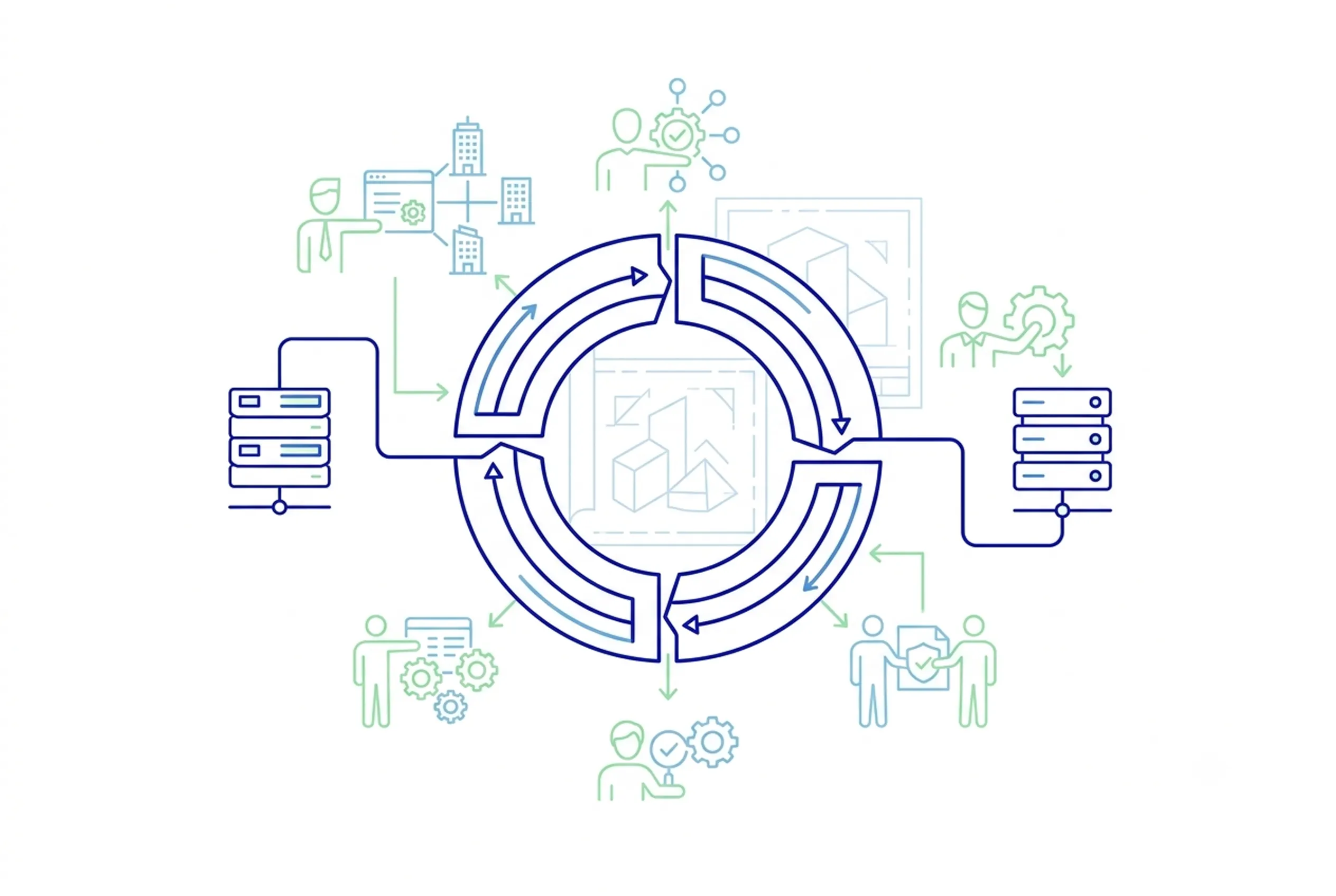
BluEnt’s Robust Data Adoption Implementation Methodology
BluEnt follows a robust and structured methodology to assist organizations embed data-driven practices across their workforce.
Our elite approach strategy includes the following stages:
| Data Culture Assessment | Evaluate current levels of data literacy, governance, participation, and analytics adoption. |
| Adoption Strategy Design | Develop a comprehensive roadmap for enabling enterprise data adoption. |
| Training and Enablement Programs | Implement training initiatives designed to develop data literacy and governance awareness. |
| Governance and Change Management Integration | Align the governance frameworks with adoption initiatives and business requirements. |
| Continuous Measurement and Improvement | Monitor adoption metrics and refine strategies to drive sustained engagement. |
Why Do Enterprises Rely on BluEnt for Data Adoption?

Establishing a data-driven culture require relevant expertise across governance, analytics, and organizational change management.
BluEnt assists enterprises to bridge the gap between technology investment and real business value by enabling employees to effectively use data in their roles.
-
Proven expertise in enterprise data adoption frameworks
-
Structured data culture transformation programs
-
Governance – led adoption strategies
-
Cross-functional engagement models
-
Measurable adoption metrics and governance KPIs
-
Cross-functional engagement models
Our teams combine governance expertise with adoption strategies that ensure data initiatives are delivering measurable outcomes.
Schedule Your Data Adoption Strategy Consultation
If your organization has invested in data platforms or governance initiatives but is still struggling with adoption, BluEnt can devise and implement a strategy that drives enterprise-wide engagement.
Frequently Asked Questions
What does data adoption mean in an enterprise?
Data adoption refers to how efficiently and effectively employees across an organization are using data in their daily decision-making processes and business workflows. It goes beyond simply accessing data; it involves actively using trusted data to direct actions at every level, from frontline operations to executive leadership. High data adoption means employees rely less on intuition and more on insights derived from dashboards, reports, and analytic tools.
What are the common challenges in data adoption?
Organizations often face multiple barriers when driving data adoption. These include low data literacy among employees, making it difficult to interpret and use data effectively. Fragmented data/siloed data systems have restricted accessibility, lack of trust in data quality, and insufficient leadership alignment. Additionally, resistance to change and absence of clear governance frameworks can hinder widespread adoption and consistent data usage.
How can organizations improve data literacy?
Improving data literacy requires a structured and continuous approach. Organizations can implement role-based training programs, provide intuitive self-service analytics tools, and create standardized data definitions to ensure consistency. Encouraging a culture of curiosity and experimentation, along with ongoing support.
How do you measure data culture maturity?
Data culture maturity can be assessed by evaluating how deeply data is embedded in everyday business activities. Key indicators include the extent of data usage across departments, quality and consistency of data governance practices, levels of data literacy among employees, and the frequency of data-driven decision making.
What role does leadership play in driving data adoption?
Leadership plays a critical role in fostering data adoption by establishing the vision and directing by example. When leaders actively use data in decision-making and emphasize its importance, it encourages teams to follow the lead. Strong executive sponsorship also ensures alignment across departments, secures necessary investments, and helps overcome resistance to change, making data initiatives more successful.
View Our Projects
Dive into our portfolio and witness how BluEnt transforms bold ideas into powerful digital solutions.
From enterprise-grade applications to data-driven platforms, each project tells a story of innovation,
ROI, and long-lasting impact.

HubSpot | Case Study
Asana-HubSpot Integration
Discover how BluEnt help HFS in achieving task automation with real-time data synchronization and efficient ecosystem.

Wordpress | Case Study
HFS Website Overhaul
Learn how BluEnt modernized the website to support heavy research content & deliver consistent UI/UX with better performance.
Wordpress | Case Study
Author Dashboard Transformation
Explore how BluEnt developed a unified & comprehensive dashboard for better performance tracking and report collaboration.

Wordpress | Case Study
Custom Elementor Widget
Learn how the custom elementor widget, developed by BluEnt, let HFS Research get off from its dependency over expensive…
Wordpress | Case Study
Custom WordPress Videocast Plugin
Discover how BluEnt created a custom WordPress videocast plugin to improve loading time & performance of HFS Research podcast…

Wordpress | Case Study
Report Analytic Dashboard
Discover how BluEnt designed & developed a comprehensive report analytic dashboard for HFS to generate accurate data.
Industry Trends & Innovation
Ideas That Drive Industries
Explore a 360° content hub featuring expert-written blogs, practical use cases, and FAQs,
all designed to spark innovation, solve challenges, and sharpen your competitive edge.
Whether you're shaping strategy or validating decisions, our insight-driven content
equips you with clarity, confidence, and the direction you need to stay ahead.