









AI is no longer a future capability for AEC firms. It is operating in your business right now — in the Microsoft 365 Copilot licence your project managers activated last quarter, in the generative design tools your architects are running in Autodesk, in the clash detection and quantity takeoff automation embedded in your BIM workflows, in the predictive analytics your commercial team is using to forecast project risk.
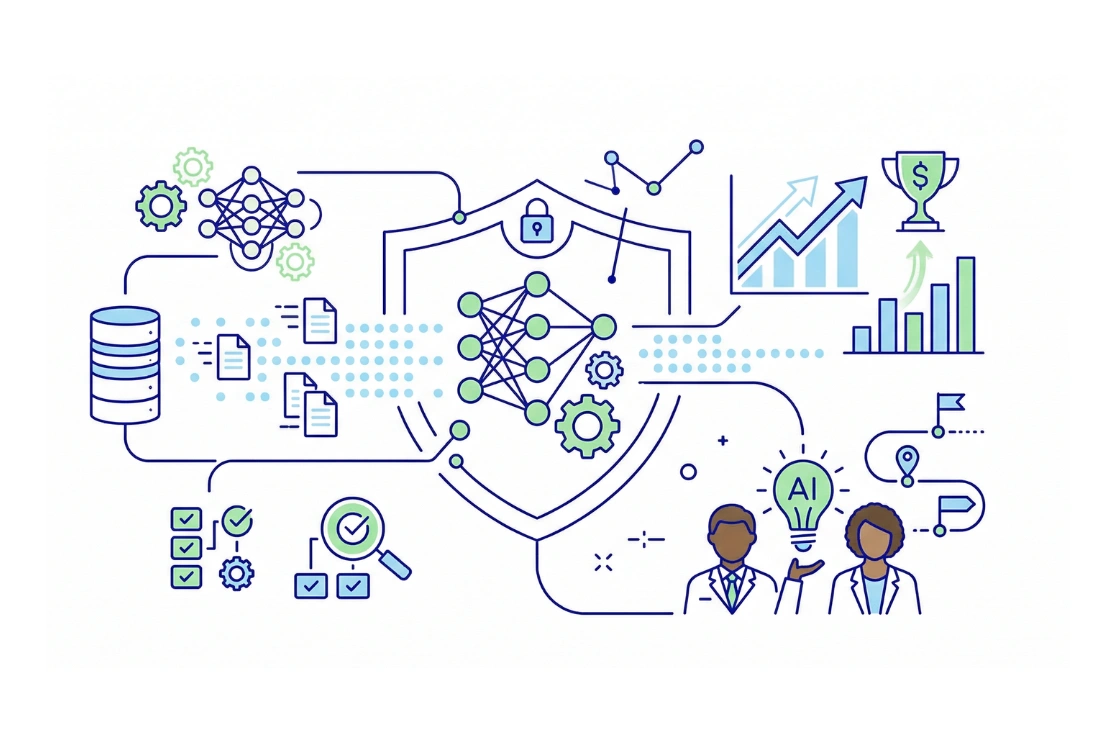
AI success depends on governed data. Learn how to build an AI data governance framework that drives trust, scalability, and measurable business outcomes.
The discussion of enterprise data governance can revolve around tools, policies, and compliance frameworks.
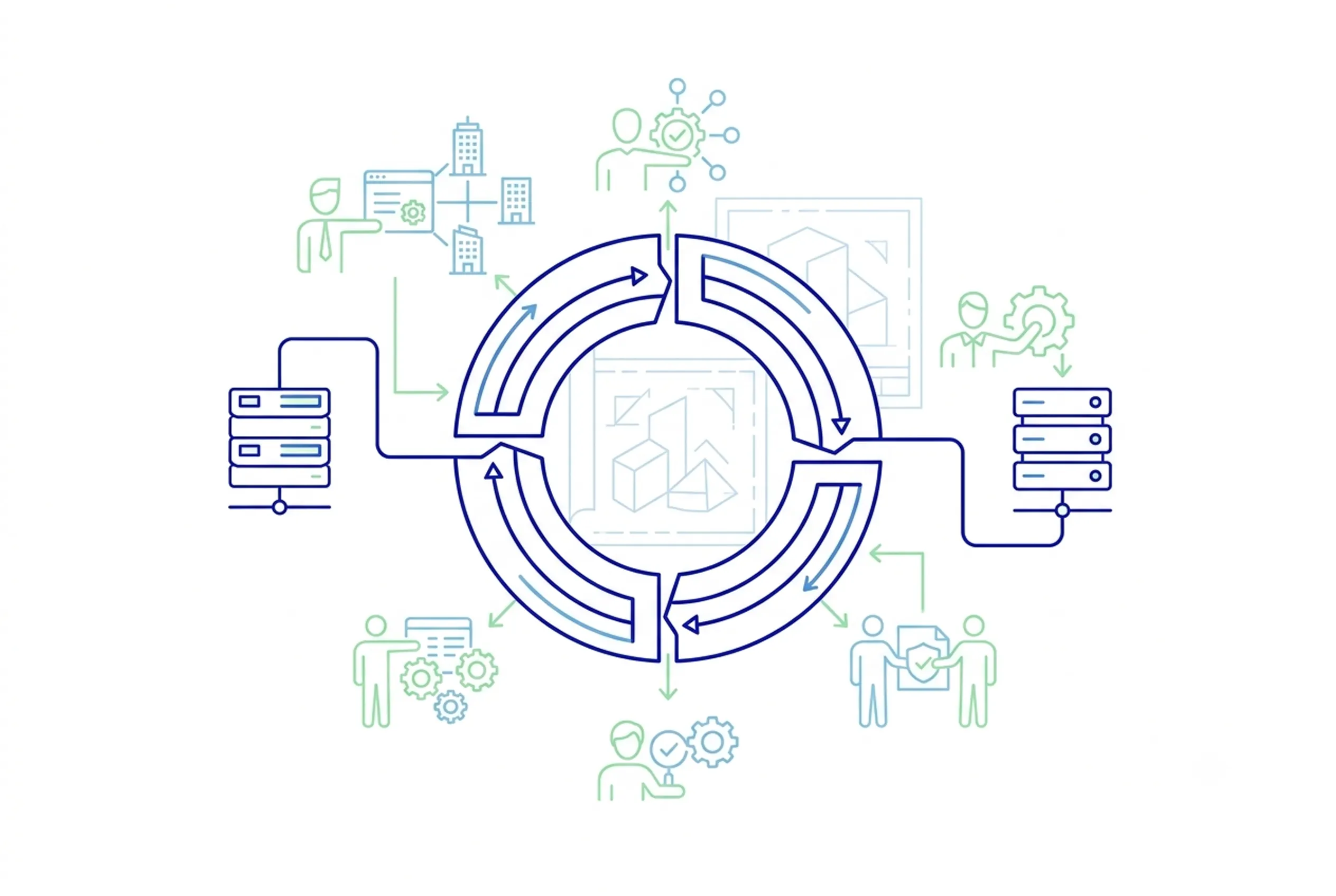
Most AEC firms have people who care about data quality. Document controllers who catch naming errors, BIM coordinators who flag model inconsistencies, project managers who question the numbers in a report. What these firms don’t have is a structure that gives those people authority, accountability, and escalation paths.
Walk into most AEC firms and ask a senior leader to explain the difference between data governance, data management, and MDM. The most common answer is a version of: ‘they’re all roughly the same thing.’ They are not, and the confusion has direct operational consequences.
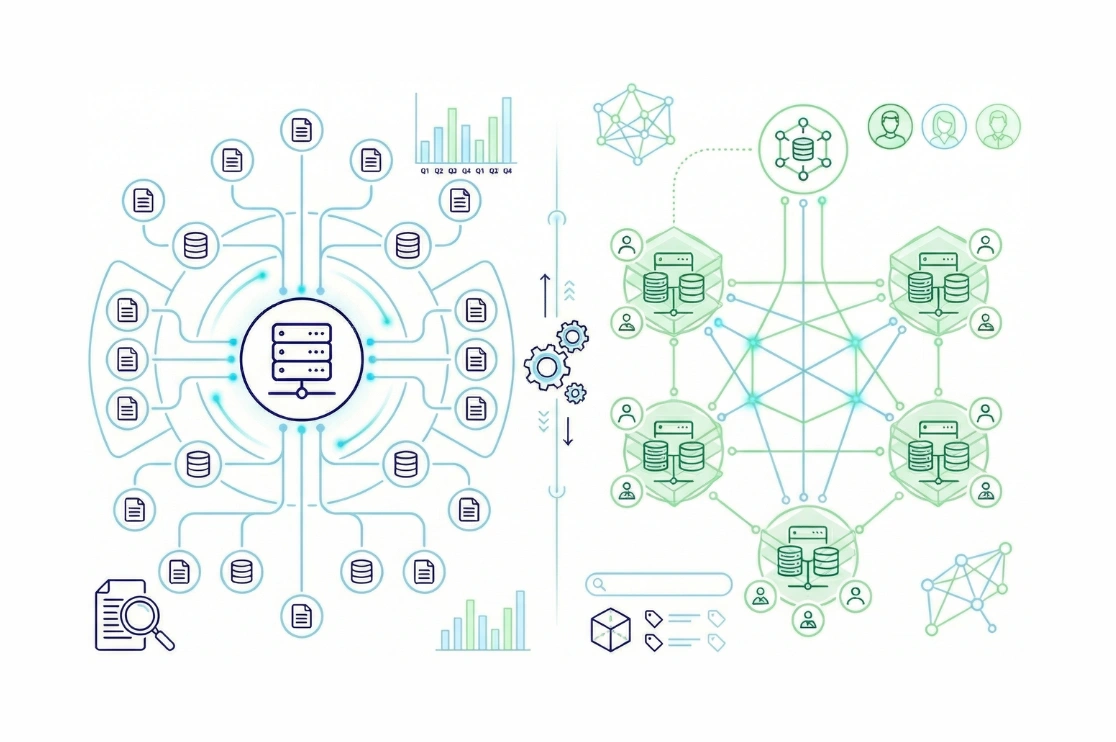
Drawings from the design phase live in one Common Data Environment. Cost data sits in an ERP your site teams can barely access. BIM models get exported, renamed, and emailed between consultants until nobody is sure which version is current.
Every construction firm has a data governance policy somewhere. It is probably in a shared folder nobody has opened in two years.
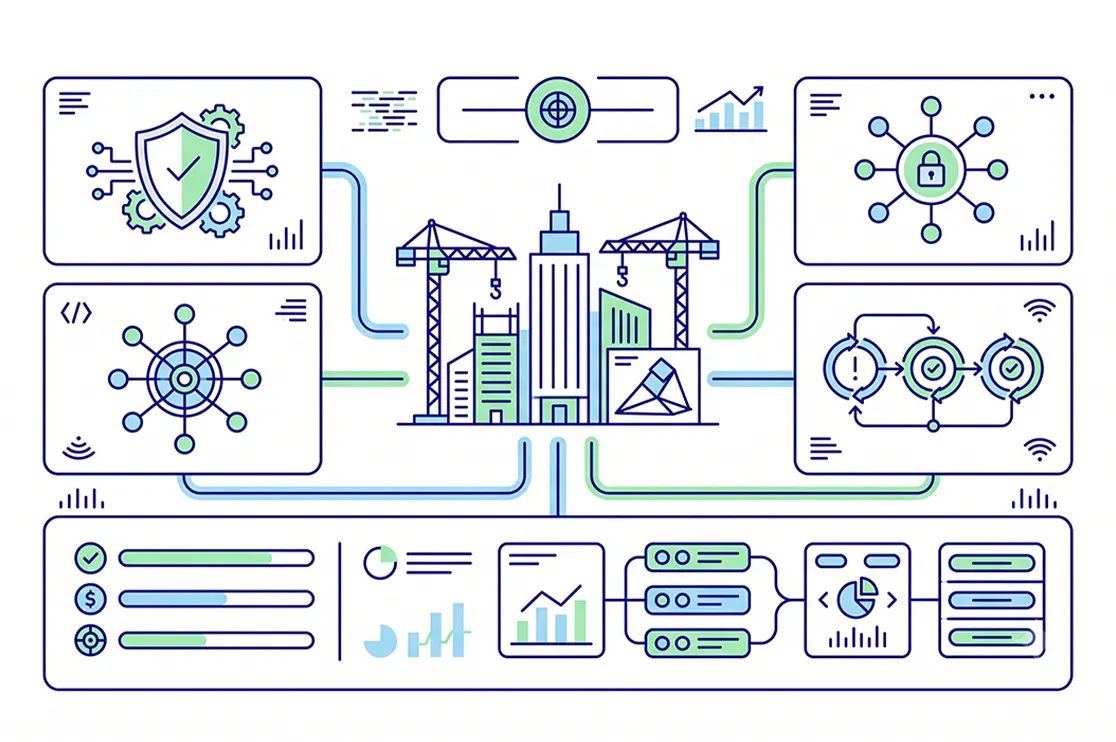
The construction and engineering sector has historically operated with fragmented data environments: project data scattered across disconnected platforms, no standardized ownership, and no single source of truth for asset information. That worked when regulators looked the other way. They no longer do.
Sensitive data is everywhere in your enterprise, and most of it is ungoverned. Learn how data privacy governance works, what regulations require, and how to build a framework that protects your organization without slowing it down.
Master data management without governance creates clean data in silos. Governance without MDM creates policies with nothing consistent to enforce. Learn how MDM and data governance work together to build enterprise data trust.

 Compliances
Let's Talk Fixed form
"*" indicates required fields