









First Type II reports are something to celebrate. The team rallied. Policies got written. Controls got engineered. The audit committee got a clean opinion. The deal team can finally drop the report into customer security questionnaires and stop apologizing.
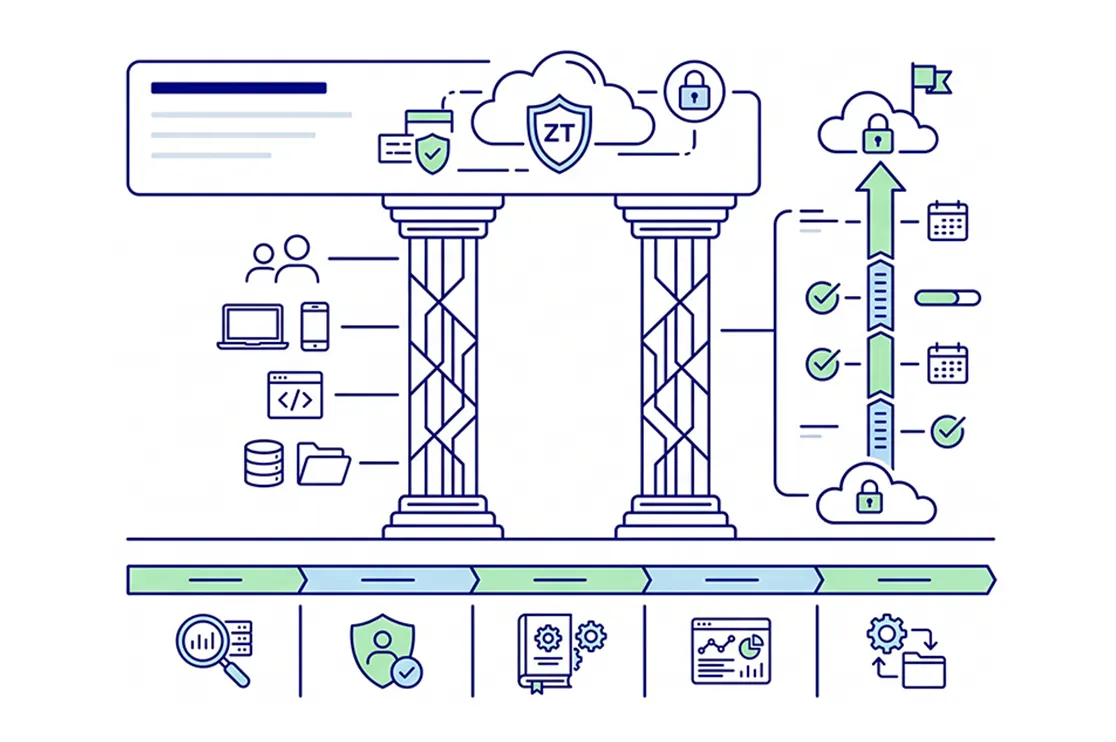
A client called us last quarter with a Zero Trust deadline imposed by their board. “We need Zero Trust by year-end. Can you help us get there?”
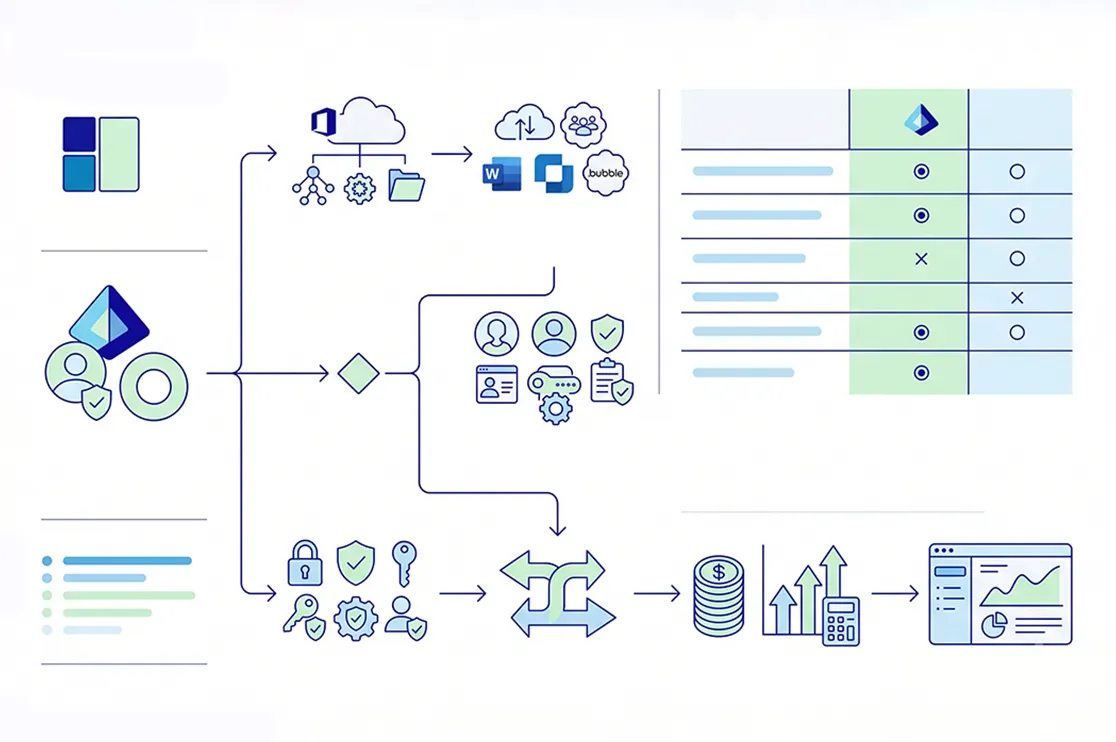
A new CISO joins a regulated enterprise on a Monday. By the second Friday, five identity questions are on the desk. Which platform should we consolidate around? How aggressive should our MFA rollout be? Do we buy a PAM tool or extend what we already have? Should JML automation be built in-house or outsourced? And the one nobody asks unprompted: how will we measure whether any of this is working?
We see the same pattern in nearly every SOC 2 readiness engagement. The identity tooling is in good shape. Single sign-on is rolled out. Multi-factor authentication is enforced. Conditional access policies exist. The team is proud of the configuration, and they should be.
A familiar conversation: a client builds a successful workload on AWS and wins a new business line that requires Azure. Or runs Azure primarily because the Microsoft 365 footprint pulled them there, then acquires a SaaS company built on Google Cloud. Suddenly the question is whether to mirror the existing landing zone design on the new cloud, or rebuild from each cloud’s idioms.
Every quarter we get a version of the same scoping call. A new Director of Identity at a Series B-plus enterprise opens with: “we’re evaluating Entra ID and Okta — can you help us decide?” Two minutes into the call, they mention that engineering is already on Okta SSO for SaaS apps, finance is on Entra ID through Microsoft 365 licensing, and the customer-facing app uses Auth0 because it was the fastest choice at MVP.
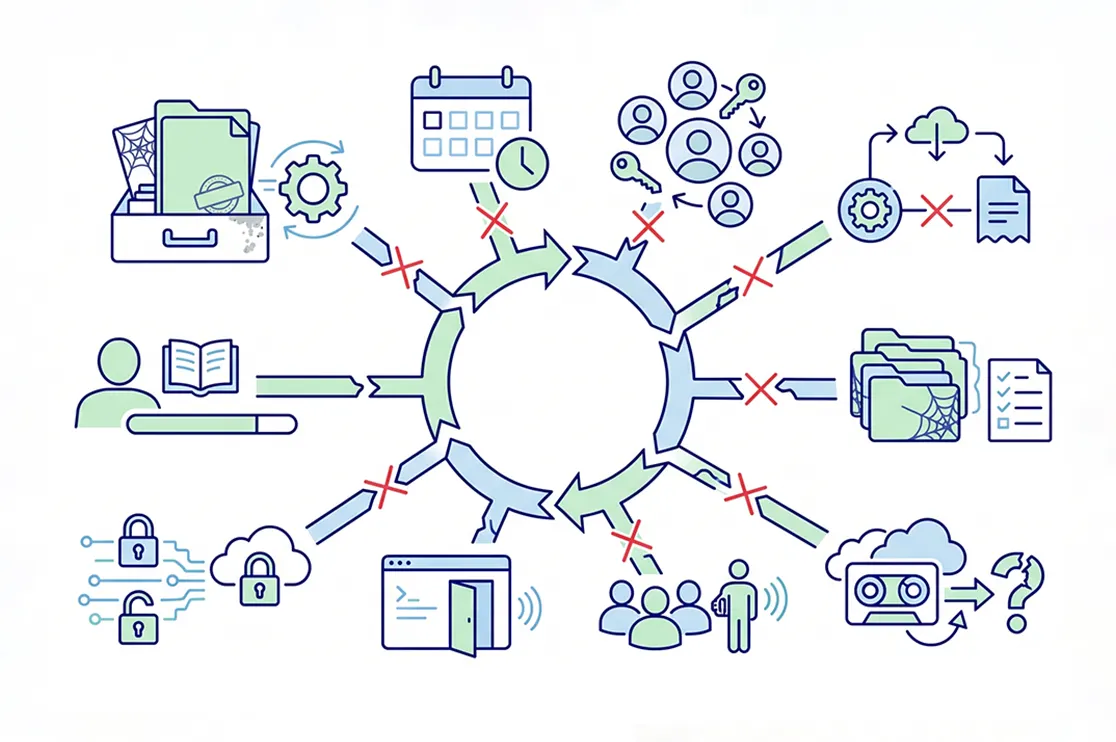
A 600-person SaaS organization went into its first SOC 2 Type II observation window with policies, an MFA rollout, and a GRC platform configured for evidence collection. Six months in, the internal mock audit produced eleven observations.
Cloud security spending follows a familiar pattern. CSPM tooling lands first, often Wiz or Prisma Cloud or Microsoft Defender for Cloud. CNAPP follows when the CSPM data outgrows the team’s ability to triage. EDR and XDR show up because someone in the boardroom asked about ransomware.
Most enterprise CISOs already run a security program. They have policies, controls, audit findings, and a SIEM with detection content. What they often do not have is a clean mapping to NIST CSF 2.0, the framework that customers, regulators, and cyber insurers increasingly cite as the default. The good news is that mapping is an …

 Compliances
Let's Talk Fixed form
"*" indicates required fields